The Benefits of Crawl Space Encapsulation
Most people vent their crawl spaces to remove moisture. Rainwater, groundwater and condensate can get into your crawl space, and when it dries, it wafts out of the vents. It’s an excellent way to deal with dampness in the areas of the home that are prone to it, but the problem is that vented crawl spaces are also a problem. Vented crawl spaces can lead to mold growth, access to pests and can diminish the energy efficiency of your home. It’s for these reasons that sealed crawl spaces are increasingly more effective and are becoming more popular.
Crawl Space Encapsulation
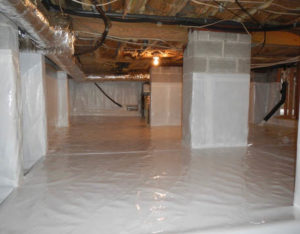
One of the most effective methods of sealing your crawl space is with crawl space encapsulation. This means lining the floor as well as the walls with heavy sheets of white plastic. You’d need to buy a sump pump and a dehumidifier, too, to ensure that the crawl space is not moist or moldy. Ultimately, it comes down to a dry crawl space, and there are plenty of benefits to that! Let’s take a look.
Benefits Of Crawl Space Encapsulation
Better Structural Integrity
When you have a wet crawl space, you’re undermining your house foundations. This is why the gutter system is designed to move the water away from the house. However, there’s no use in having a gutter system if the crawl space is going to be perpetually soaking. If you ensure that you keep the soil that supports your foundation dry, then crawl space encapsulation can prevent structural issues down the line.
Increased Energy Savings
Adding insulation and air conditioning to your crawl space can help you to produce better energy savings. When you go for crawl space encapsulation, you should notice a difference right away. In the summer months, it’s far harder to cool your home down if the crawl space is filled with hot air that remains humid in the space. When you extract the humid air from the crawl space, your air conditioning system should be able to work better and more efficiently, keeping your home the right temperature year-round.
Fewer Pests & Mold
Mold and mildew love a wet crawl space, and if you want to ensure that you prevent them from growing, then you need a crawl space that is dry and away from damp. If you have mildew in the crawl space, it’s easy for it to spread throughout the house. It doesn’t just leave streaks of mildew everywhere, though, it also rots wood, and that can be difficult to eradicate. With damp wood comes termites and those can wreak havoc, too. With crawl space encapsulation, you can keep out the moisture along with the mold and the pests that come with it.
Crawl space encapsulation can save your home an awful lot of money from energy savings and repairs. Calling the right experts to come and make it happen for you will ensure that you get the waterproofing that you need for your crawl space.