
Crawl Space Repair in Concord, NC and Surrounding Areas
Sedona Waterproofing Solutions repairs crawl spaces across Concord, Charlotte, and nearby towns from our office at 188 Crowell Drive NW.
Your crawl space holds up your floors. When the wood down there gets wet, rots, or loses support, you feel it upstairs: floors that sag or bounce, doors that stick, and a smell that won’t go away.
Sedona Waterproofing Solutions repairs crawl spaces across Concord, Charlotte and the surrounding counties from our office at 188 Crowell Drive NW in Concord. We repair the damaged framing and supports, then fix the moisture problem that caused the damage, so the repair lasts.
Free crawl space inspection: 704-960-7906 or book online
-
In business since 2016
-
5-year warranty on materials and workmanship
-
BBB A+ · 4.9 stars on Google
Signs Your Crawl Space Needs Repair, and What Fixes Each One
| What you notice | What’s usually behind it | What fixes it |
| Floors that sag, slope, or bounce | Weak or damaged joists, a failing girder, or too few supports | Structural repair (below) |
| Soft or rotting wood on joists or beams | Long-term moisture or termites | Replacing or reinforcing the damaged wood, then stopping the moisture |
| Sticking doors and windows, cracks in drywall | Floor framing that’s moving, or a settling foundation | Structural repair or foundation repair |
| Musty smell, high humidity indoors | Damp soil and humid air under the house | Crawl space encapsulation |
| Standing water after rain | Water getting in from outside or from below | Crawl space waterproofing and drainage |
| Mold or mildew on wood or insulation | Humidity that has gone uncontrolled for a long time | Mold remediation, then moisture control |
| Insects or rodents under the house | A damp space with open vents and gaps | Sealing the openings and drying the space |
| Bare soil, but no humidity or mold problems yet | Ground moisture that hasn’t caused damage | A crawl space vapor barrier |
Most homes have more than one of these. A free crawl space inspection shows which ones apply to yours.
Crawl Space Structural Repairs
When the framing under your home is damaged, we repair or reinforce it. Depending on what the inspection shows, the work can include:
- Sistering joists: fastening new lumber alongside weak or cracked joists so the two carry the load together
- Replacing a failing girder: the girder is the main beam the joists rest on, and when it rots or cracks, the floor sags along its length
- Adding a drop girder: a new beam set beneath the joists to give extra support where the original framing falls short
- Building new piers: CMU (concrete block) piers that carry beams and girders on solid support
- Replacing rotted joists or subfloor: wood that has gone soft from moisture or termites can’t regain its strength, so it gets replaced
If the foundation footings are settling, the fix sits below the framing. We stabilize settling foundations with push piers.
Recent Project: Structural Repair in Belmont, NC
The homeowners in Belmont noticed floors that felt soft, uneven, and bouncy. Under the house we found a main girder that was failing, plus termite damage in key framing members.
What we did:
- Sistered several floor joists
- Removed the failing main girder and installed a new one
- Added a drop girder for extra support
- Built new CMU piers to carry the new beams
The floors are now solid, and the home was ready for inspection.

New pressure-treated support beam installed beneath the sagging joists.

New CMU piers built to carry the replacement girder.

Drop girder and support piers in place under the reinforced joists.
What Damages Crawl Spaces Around Concord
Moisture
Every summer, humid air condenses on cool joists and ductwork. Wood that stays damp softens, grows mold, and eventually rots.
Poor drainage
Red clay soil holds rainwater against the foundation. Gutters and grading that send water toward the house make it worse, and downspout and French drain work fixes that part.
Termites
Damp wood attracts termites, and their damage often stays hidden until a floor goes soft.
Open foundation vents
Older crawl spaces, and many newer ones, were built with vents that let humid outdoor air in all summer.
Settlement
When soil shifts under footings or piers, the supports drop and the framing above them bends.
Long spans
Some homes were built with too few supports, so the joists flex between them.

Crawl Space Repair Cost
Most homeowners spend around $6,000 on crawl space repairs. Minor repairs usually cost $1,500 to $3,000. Larger structural repairs range from $5,000 to $15,000 or more. These prices are based on a typical 1,500 sq ft crawl space. Your total will vary with the size of your crawl space
The price depends on:
- The type and extent of the damage
- The size of the crawl space
- How many joists, girders, or piers need work
- Added work such as mold remediation, joist or subfloor replacement, or French drains
Your written proposal lists every item before work starts. Financing is available, and military members and first responders get a discount.
Our Crawl Space Repair Process

Free inspection
We check the joists, girders, piers, and subfloor, along with moisture levels and drainage. Most inspections are booked within 24–48 hours.

Written plan
within two business days. We recommend only the repairs your home needs.

Fix the moisture source
Drainage or waterproofing comes first, so the new wood stays dry.

Structural repairs
We sister, replace, or support the framing as the plan calls for.

Protect the space
A vapor barrier or full encapsulation keeps moisture from coming back.

Yearly check-ups
Our annual maintenance visits catch new moisture or damage early.
What You Get After Repair
- Solid floors with no bounce or soft spots
- Framing and supports that carry the load the way they were meant to
- Lower humidity under the house once the moisture source is fixed
- Less damp, musty air rising into your rooms
- Less heat lost through the floor
- Fewer pests once the space is dry and the gaps are sealed

Why Homeowners Choose Sedona
Founder Josh Landrio spent years working inside crawl spaces as a technician and foreman before starting Sedona in 2016. That hands-on background shapes how we work: find the cause first, then fix what’s actually broken.
-
Founder-owned and based in Concord, with more than 20 years of combined team experience
-
Honest inspections, and repair plans sized to the actual problem
-
Pressure-treated lumber and concrete block piers
-
Certified waterproofing specialists, bonded and insured
-
A 5-year warranty on materials and workmanship
-
Free inspections and written estimates


Related Services for Complete Protection
A vapor barrier works best when combined with the right supporting solutions. Depending on your crawl space condition, you may also need:

Crawl Space Encapsulation
Complete moisture barrier installation and air sealing to protect your home's foundation and improve indoor air quality.

Basement Waterproofing
Professional basement waterproofing solutions including interior and exterior drainage systems, sump pumps, and vapor barriers.

Foundation Repair
Expert foundation stabilization, crack repair, and structural support solutions to maintain your home's integrity.

Mold Remediation
Complete mold assessment, removal, and prevention services to ensure healthy indoor air quality for your family.

Crawl Space Care
Drainage issues, poor soil conditions, changing seasons, and moisture content in the soil will stress your crawl space.

Annual Maintenance
Comprehensive annual maintenance programs to ensure your waterproofing systems continue to protect your investment long-term.
Benefits of Professional Crawl Space Repair
Repairing crawl space damage early helps prevent major structural issues and improves the overall health of your home.
Structural Stability
Repairing damaged beams and supports restores the strength of your home’s foundation system.
Improved Indoor Air Quality
Eliminating moisture and mold helps protect the air inside your home.
Lower Humidity Levels
Repairs combined with vapor barrier installation can help control moisture beneath your home.
Energy Efficiency
A properly repaired crawl space reduces energy loss and improves HVAC efficiency.
Long-Term Protection
Keeping wood framing dry prevents rot and reduces the need for future crawl space waterproofing repair.
Pest Prevention
Combining repairs with crawl space care or annual inspections helps prevent future problems.
Real Results from Crawl Space Encapsulation
Before Repair
- Sagging floors
- Moisture buildup
- Mold growth
- Rotting beams


After Repair
- Stable floor structure
- Dry crawl space
- Improved air quality
- Long-term moisture protection
Repairs often work alongside crawl space encapsulation to fully protect the space beneath your home.
What Our Customers Say
Real reviews from real homeowners in Charlotte


 Trustindex verifies that the original source of the review is Google.
 Trustindex verifies that the original source of the review is Google.
 Trustindex verifies that the original source of the review is Google.
 Trustindex verifies that the original source of the review is Google.
 Trustindex verifies that the original source of the review is Google.
 Trustindex verifies that the original source of the review is Google.
 Trustindex verifies that the original source of the review is Google.
 Trustindex verifies that the original source of the review is Google.
 Trustindex verifies that the original source of the review is Google.
“From start to finish, everything was explained thoroughly by the owner of the company.”
- John Greene, Google review
Areas We Serve
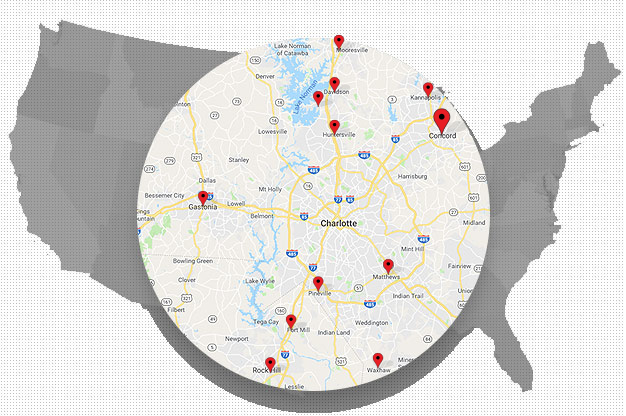
We repair crawl spaces throughout Cabarrus, Mecklenburg, Rowan, Iredell, Union, and Gaston counties, including:
Concord · Kannapolis · Harrisburg · Mt. Pleasant · Midland · China Grove · Huntersville · Cornelius · Mooresville · Lake Norman · Matthews · Monroe · Waxhaw · Gastonia · Charlotte
Frequently Asked Questions
Most repairs are finished in 1–3 days. Jobs that involve replacing a girder or building several new piers can take longer, and so can low, hard-to-reach crawl spaces.
Often, yes, but it’s done gradually. Lifting a floor quickly can crack drywall, tile, and trim, so framing is raised in small steps. A floor that has sagged for decades may not return to perfectly level. The goal is a floor that’s solid, supported, and no longer moving.
Yes. Temporary supports hold the floor up while the old girder comes out and the new one goes in. The joists and subfloor above stay in place, and only damaged sections get reinforced or replaced.
The common options are concrete block (CMU) piers, adjustable steel support jacks, and wood posts. Masonry piers and steel jacks resist rot and termites. Wood posts sitting on or near the soil are the most likely to fail. The right choice depends on the load, the crawl space height, and the soil.
Crawl space repair fixes the framing that holds up your floor: joists, girders, piers, and subfloor. Foundation repair fixes the footings and walls the house sits on. Bouncy or soft floors with solid foundation walls usually point to framing. Cracked walls and sinking corners usually point to the foundation. Some homes need both.
Rot fungi need damp wood to grow. Once the wood stays dry, rot stops spreading. But wood that has already softened doesn’t get its strength back, so it has to be reinforced or replaced, and the moisture source has to be fixed or the rot will return.
Yes. A licensed pest control company should treat any active termites first. Otherwise they can move straight into the new lumber. Once treatment is done, damaged wood is replaced or reinforced.
Under state law, most repairs to a single-family home costing $40,000 or less don’t need a building permit. Work on load-bearing structures, such as replacing a girder, is one of the exceptions. Requirements are set by the local inspections office, so confirm with your contractor before work starts.
Routine work like sistering a few joists or adding supports usually doesn’t need one. Extensive damage, foundation movement, or a request from a buyer’s lender or the permit office may call for an engineer’s letter.
Yes. Structural damage has to be fixed first. A liner installed over damaged framing hides the problem, and it has to be cut open later to reach the wood. Repairing first also means the new framing goes straight into a dry, sealed space.
As long as the wood stays dry. New framing and masonry piers hold up well once the moisture source is fixed. Repairs fail early when water keeps getting in, which is why we fix drainage and humidity along with the structure.
It often comes up in the buyer’s inspection. Soft floors, rotted framing, and moisture are red flags that can slow or derail a sale. Fixing the damage before listing, and keeping the paperwork, gives buyers and their inspectors a clear answer.
Usually not. Most policies exclude damage from gradual moisture, wood rot, termites, and settling. Damage from a sudden event, such as a burst pipe, may be covered. Check your policy and keep records of the repair.
Small jobs, like replacing a short section of rotted subfloor, are possible for an experienced DIYer. Structural work is different. Lifting a loaded floor, removing a girder, or adding piers takes temporary shoring, the right jacks, and usually a permit. Mistakes can crack walls or drop the floor.
Book Your Free Crawl Space Inspection
We’ll check the framing, supports, moisture levels, and drainage, show you what we find, and explain exactly what needs repair and what doesn’t.
Call 704-960-7906 or schedule online.
Sedona Waterproofing Solutions · 188 Crowell Drive NW, Concord, NC 28025