
Crawl Space Encapsulation in Concord, NC and Surrounding Areas
Sedona Waterproofing Solutions has encapsulated crawl spaces across Concord, Charlotte, and nearby towns since 2016, working from our office at 188 Crowell Drive NW.
Most crawl spaces we inspect have the same problem: damp soil and damp air under the house for most of the year. Summers here are humid, storms are heavy, and the red clay soil holds water against the foundation for days after it rains.
Sedona Waterproofing Solutions has encapsulated crawl spaces across Concord, Charlotte and the surrounding counties since 2016, working from our office at 188 Crowell Drive NW in Concord. Encapsulation seals the crawl space off from the ground and the outside air, then a dehumidifier keeps the humidity down. If water is getting in, we fix that first with crawl space waterproofing.
Free crawl space inspection: 704-960-7906 or book online
-
In business since 2016
-
5-year warranty on materials and workmanship
-
BBB A+
-
4.9 stars on Google

Signs Your Crawl Space Has a Moisture Problem
You’ll usually notice the problem upstairs before you see it under the house:
- A musty smell that gets stronger after rain
- Floors that sag, bounce, or feel uneven, which may also need crawl space repair
- Mold or mildew on joists, insulation, or the subfloor, which may need mold remediation first
- A house that feels clammy in summer
- Standing water or wet soil under the house
- Higher heating and cooling bills
- Insects or rodents under the house
Air in a house moves upward, a pattern called the stack effect. Whatever is in the crawl space air, including moisture and mold spores, ends up in the rooms above it.
What Is Crawl Space Encapsulation?
Encapsulation seals the area under your house from the soil and the outside air, then controls the humidity inside it. A full system has four parts:
A heavy liner over the floor and up the foundation walls
Sealed vents, seams, and openings around pipes and wires
Insulation where the home needs it
A dehumidifier that runs year-round
What We Install
Our starter system is the same on most jobs. We adjust it after the inspection.
- 12-mil reinforced liner. It’s twice as thick as the 6-mil plastic many builders use, and it holds up to kneeling, crawling, and service visits.
- Sealed vents, seams, and penetrations, so the liner works as one continuous barrier instead of loose, overlapping sheets.
- Aprilaire E100 dehumidifier, a commercial-grade unit built for crawl spaces.
- Ducting kit that spreads dry air to every section of the crawl space.
If there’s also water coming in or structural damage, we add drainage, a sump pump, insulation, or repairs to the same project.
Recent Encapsulation Projects
Featured project: 12-mil starter system

Liner installation

Insulation

Dehumidifier Installation

Finished Crawl Space
We installed our 12-mil starter system, an Aprilaire E100 dehumidifier, and a ducting kit. The photos show the liner going in, the insulation, the dehumidifier mounted and ducted, and the finished crawl space.
Ballantyne, Charlotte: Moisture Control and Air Quality Upgrade

Moisture control work under a home with masonry foundation walls supporting the floor joists.
Charlotte: dehumidifier and structural protection

A crawl space dehumidifier installed as part of a waterproofing and structural protection project.
Why Crawl Spaces Get Wet in Concord and Nearby Towns
Humid summers
Warm, moist air comes in through the foundation vents and condenses on cooler joists and ductwork. That condensation is what feeds mold and wood rot.
Red clay soil
Most of Cabarrus County sits on Piedmont clay. It drains slowly and keeps the ground under your house wet long after a storm. Gutters and grading that send water toward the house make it worse, and downspout and French drain work often fixes that part.
Open Foundation Vents
Vents were meant to dry crawl spaces out. Here, they mostly let humid air in.
Heavy rain
Storms can push water straight into the crawl space. If water collects under your home, you may need a sump pump before encapsulation.
Should You Seal Your Crawl Space Vents?
In most homes around Concord, yes, but only as part of a full encapsulation. Closing vents over bare soil, standing water, or a crawl space with no dehumidifier traps the moisture inside. That’s why we check moisture levels, wood condition, and drainage before recommending it.
Is a Vapor Barrier Enough?
A plastic sheet on the ground slows moisture coming up from the soil. It does nothing about humid air coming through the vents. For a dry, lightly used crawl space, a vapor barrier can be enough. For persistent humidity, mold, or musty air, you need the full system.
| Vapor barrier only | Full encapsulation |
| Covers the ground | Seals floor, walls, vents, and penetrations |
| Slows ground moisture | Controls ground moisture and air moisture |
| No humidity control | Includes a dehumidifier |
| Lower upfront cost | A long-term moisture control system |
Our Process

Free inspection
We check moisture levels, wood condition, supports, drainage, and every point where water gets in. Most inspections are booked within 24–48 hours. See what an inspection covers.

Written proposal
within two business days, with no pressure to sign.

Water and mold first
If water is getting in, we fix the drainage before sealing anything. Active mold is treated before we encapsulate.

Liner
We clear debris and install the 12-mil liner across the floor and up the walls.

Sealing, insulation, and dehumidifier
Vents, seams, and penetrations are sealed, insulation goes where it’s needed, and the Aprilaire dehumidifier and ducting are installed and set.

Yearly check-ups
We come back each year to tape any lifted seams, replace the dehumidifier filter, and test the system. See our annual maintenance program.
What Changes After Encapsulation
- The soil and air under the house stay dry, with no condensation on joists or ductwork
- Mold is much less likely to come back
- Less damp air, odor, and dust rises into the house
- Floor temperatures are steadier
- Dry framing protects the joists and subfloor from rot
- Sealed vents and openings keep insects and rodents out
- A clean crawl space reads well on a home inspection report when you sell
How Much Does Crawl Space Encapsulation Cost?
We price every job after a free inspection, because no two crawl spaces are the same. These are the things that change the price:
- Square footage of the crawl space
- Height and access (low, tight spaces take longer)
- Debris, old insulation, or standing water that has to come out first
- Mold that has to be treated before sealing
- Drainage work or a sump pump, if water is getting in
- Dehumidifier size and ducting
- Insulation or structural repairs, if the inspection shows they’re needed
Your written proposal lists every item before work starts. Financing is available, and military members and first responders get a discount. For a detailed breakdown, read our crawl space encapsulation cost guide.
Why Homeowners Choose Sedona
Founder Josh Landrio started as a crawl space technician and worked his way up to foreman and then sales before opening Sedona in 2016. He named the company after Sedona, Arizona, because the goal is a crawl space as dry as the desert. We’re founder-owned and local, not a franchise.
-
Based in Concord since 2016, with more than 20 years of combined team experience
-
Certified waterproofing specialists, bonded and insured
-
12-mil liner, sealed vents, and an Aprilaire dehumidifier in our standard encapsulation system
-
5-year warranty on materials and workmanship
-
Free inspections and written estimates
-
We’ll tell you when a vapor barrier alone is enough
Named one of the Best Mold Remediation Companies in Concord by Expertise.com.


Related Services for Complete Protection
A vapor barrier works best when combined with the right supporting solutions. Depending on your crawl space condition, you may also need:

Crawl Space Encapsulation
Complete moisture barrier installation and air sealing to protect your home's foundation and improve indoor air quality.

Basement Waterproofing
Professional basement waterproofing solutions including interior and exterior drainage systems, sump pumps, and vapor barriers.

Foundation Repair
Expert foundation stabilization, crack repair, and structural support solutions to maintain your home's integrity.

Mold Remediation
Complete mold assessment, removal, and prevention services to ensure healthy indoor air quality for your family.

Crawl Space Care
Drainage issues, poor soil conditions, changing seasons, and moisture content in the soil will stress your crawl space.

Annual Maintenance
Comprehensive annual maintenance programs to ensure your waterproofing systems continue to protect your investment long-term.
Benefits Of Crawl Space Encapsulation
Encapsulation provides several long term advantages for homeowners.
Moisture Control
A sealed vapor barrier blocks ground moisture and helps prevent condensation beneath your home.
Mold Prevention
Lower humidity levels reduce the likelihood of mold growth and the need for mold remediation services.
Improved Indoor Air Quality
A sealed crawl space helps prevent mold spores, dust, and allergens from entering your home.
Lower Energy Bills
Encapsulation stabilizes temperatures beneath your home and reduces strain on HVAC systems.
Structural Protection
Keeping wood framing dry prevents rot and reduces the need for future crawl space repair.
Pest Prevention
Sealed crawl spaces eliminate entry points for insects and rodents.
If your crawl space has persistent humidity, mold, or air quality issues, full crawl space encapsulation may be the better long-term solution.
Before and After
Before Encapsulation
Bare, damp soil and an open, unsealed crawl space


After Encapsulation
Liner installed across the floor and walls, vents and seams sealed, and humidity under control.
Encapsulation also works as part of a complete crawl space care system that protects homes from long term moisture damage.
Areas We Serve
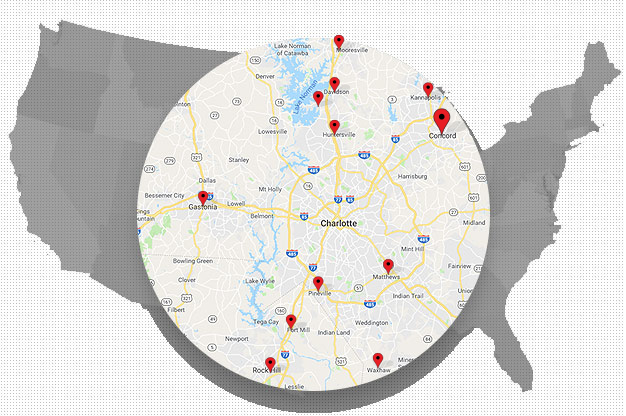
From Concord, we encapsulate crawl spaces throughout Cabarrus, Mecklenburg, Rowan, Iredell, Union, and Gaston counties, with the same crews, system, and warranty in every town:
Concord · Kannapolis · Harrisburg · Mt. Pleasant · Midland · China Grove · Huntersville · Cornelius · Mooresville · Lake Norman · Matthews · Monroe · Waxhaw · Gastonia · Charlotte
What Our Customers Say
Real reviews from real homeowners in Charlotte


 Trustindex verifies that the original source of the review is Google.
 Trustindex verifies that the original source of the review is Google.
 Trustindex verifies that the original source of the review is Google.
 Trustindex verifies that the original source of the review is Google.
 Trustindex verifies that the original source of the review is Google.
 Trustindex verifies that the original source of the review is Google.
 Trustindex verifies that the original source of the review is Google.
 Trustindex verifies that the original source of the review is Google.
 Trustindex verifies that the original source of the review is Google.
Frequently Asked Questions
It’s worth it when the crawl space affects the rest of the house. That usually means humidity readings above 60%, damp or moldy framing, ductwork or an HVAC unit under the house, or a musty smell upstairs. If the crawl space is already dry and you only need bare soil covered, a vapor barrier may be enough. The inspection readings show which group your home falls into.
Most jobs take 1–3 days. Larger crawl spaces, low clearance, and drainage or mold work done first can add time. You can stay in your home while we work.
No. Sealing over active mold traps it under the liner. We treat it first: affected insulation is removed, the framing is cleaned, and a HEPA vacuum pulls spores from the air. Then we encapsulate, which removes the moisture mold needs to come back.
Fiberglass batts that are wet, sagging, or moldy come out, because they hold moisture against the wood. Dry insulation that’s still in place may stay. For sealed crawl spaces, the U.S. Department of Energy recommends insulating the foundation walls rather than the subfloor. The inspection shows which approach suits your home.
Sealing stops new moisture from the soil and outside air, but the framing, concrete, and soil still hold years of stored moisture. That moisture keeps releasing after the space is closed. Small air leaks and seasonal swings add more. The dehumidifier removes it and holds humidity steady all year.
Aim for 45–55% relative humidity, and keep it under 60%. Above 60%, wood absorbs moisture and mold can grow on joists and insulation. A digital hygrometer in the crawl space lets you check the reading yourself between service visits.
The Aprilaire E100 has no bucket. Water drains continuously through a hose or pipe, either to the outside, into a sump pit, or into a condensate pump. The drain line is part of the installation, so you never handle the water.
Sealing stops new moisture from the soil and outside air, but the framing, concrete, and soil still hold years of stored moisture. That moisture keeps releasing after the space is closed. Small air leaks and seasonal swings add more. The dehumidifier removes it and holds humidity steady all year.
Yes. A loose access door or hatch can let in as much humid air as an open vent. It should be insulated and weatherstripped so it closes tight. A leaky door is a common reason a newly sealed crawl space still reads high on humidity.
It usually helps. Open vents let cold winter air and humid summer air sit directly under your floors and around any ductwork down there. Sealing the crawl space keeps that air out, so floors stay warmer and your HVAC system removes less moisture. How much you save depends on your home’s insulation, ductwork, and the size of the crawl space.
A professionally installed system typically lasts 15–25 years. The dehumidifier usually wears out first, because it’s a mechanical unit; the Aprilaire E100 carries a 5-year manufacturer warranty. Have the system checked at least once a year, or twice a year if the home has had water problems before. Our guide to how long encapsulation lasts and the signs it’s failing covers what to watch for.
Yes. A 12-mil reinforced liner handles light storage and foot traffic. Set heavy items on plywood or pads so they don’t puncture the liner, keep boxes away from the walls, and leave room around the dehumidifier so air can move freely.
Call us. Returning moisture usually traces back to one of four things: a plumbing leak, a torn or lifted section of liner, a dehumidifier that has stopped working, or water getting in from outside. We find the cause and fix it under your warranty.
The sealed liner is the base of a crawl space radon mitigation system. On its own, though, it doesn’t guarantee lower readings. Homes at or above the EPA action level of 4 pCi/L usually need a fan and vent pipe that pull radon from beneath the liner. Test before and after the work. We offer radon testing and mitigation if your readings come back high.
You can buy liner and tape, but the hard parts are what make the system work. Every seam and penetration must be sealed airtight, the dehumidifier must be sized to the space and its moisture load, and water and mold problems must be fixed before anything is sealed. Skip any of these and moisture gets trapped under the liner, leaving the crawl space worse than before.
Book Your Free Crawl Space Inspection
We’ll check moisture levels, wood condition, and drainage, show you what we find, and tell you whether you need encapsulation, a vapor barrier, or nothing at all.
Call 704-960-7906 or schedule online.
Sedona Waterproofing Solutions · 188 Crowell Drive NW, Concord, NC 28025