The Post-Storm Checklist: Why an Encapsulated Crawlspace Makes Storm Recovery Faster and Cheaper
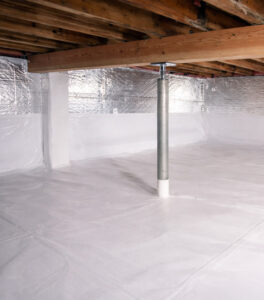
When a major storm moves through, most homeowners look first at the roof, siding, and fallen trees. The crawlspace usually gets attention later, even though it often holds the earliest signs of trouble. Water can collect under the house, damp air can linger for days, and hidden moisture can turn a manageable cleanup into mold growth, wood rot, and insulation damage. An encapsulated crawlspace does not make a home immune to storm damage, but it often makes recovery simpler because the space is more controlled, easier to inspect, and less likely to stay wet for long.
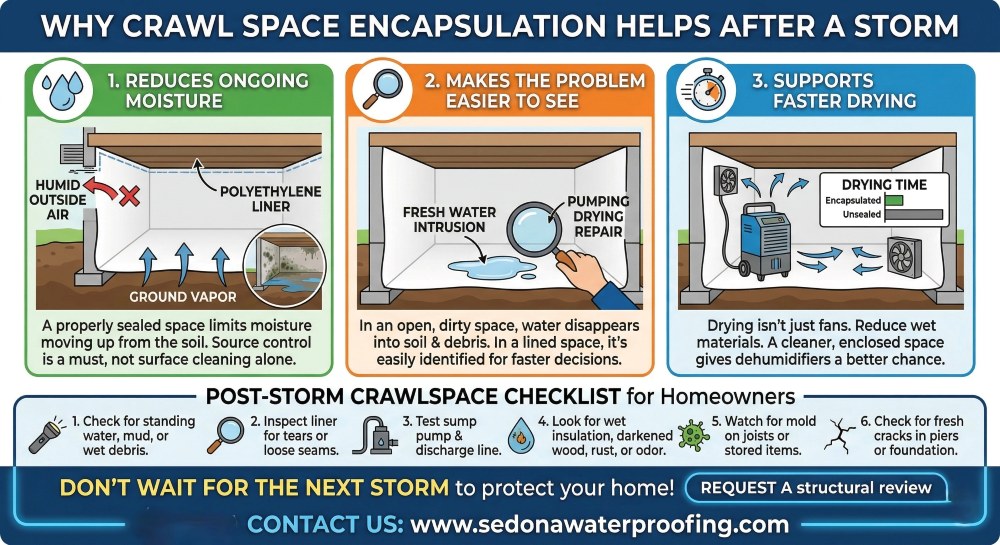
Why Crawl Space Encapsulation Helps After a Storm
A sealed crawlspace tends to recover faster because it limits ground vapor, reduces exposure to humid outside air, and makes water intrusion easier to spot and remove. That can shorten drying time, reduce the spread of mold, and narrow the scope of repairs after heavy rain or wind-driven water enters the home.
Post-Storm Crawlspace Checklist for Homeowners
Start with the basics before small problems turn expensive:
- Check for standing water, mud, or wet debris under the house.
- Inspect the liner for tears, loose seams, or areas where water may have traveled underneath it.
- Test the sump pump and discharge line to make sure the system is still moving water away from the foundation.
- Look for wet insulation, darkened wood, rusted fasteners, or a musty odor.
- Watch for visible mold on joists, subflooring, or stored materials.
- Check piers, beams, and foundation walls for fresh cracks, movement, or separation.
- Photograph any damage before cleanup for insurance records.
- Schedule professional water removal if water remains, and ask for a structural review if the storm included high winds or tornado activity. The CDC, FEMA, and Red Cross all warn that floodwater and hidden structural damage can create health and safety risks after a disaster.
Why an Encapsulated Crawlspace Recovers Faster
Encapsulation changes the conditions that usually make storm cleanup drag on.
1. It reduces ongoing moisture
A properly sealed crawlspace limits moisture moving up from the soil. That matters because cleanup is harder when new dampness keeps entering the space from the ground even after standing water is removed. When it comes to mold and moisture, source control is a must, not surface cleaning alone.
2. It makes the problem easier to see
In an open, dirty crawlspace, water can disappear into soil, ruined insulation, and debris. In a lined space, fresh intrusion is usually easier to identify. That speeds up decisions about pumping, drying, and repair.
3. It supports faster drying
Drying is not just about fans. It is about reducing the amount of wet material holding moisture in place. A cleaner, enclosed crawlspace generally gives dehumidifiers and air movement a better chance to work well. Prompt drying is necessary to limit mold growth after flooding.
How Encapsulation Can Lower Recovery Costs
Storm recovery often becomes expensive because damage spreads after the rain stops. A sealed crawlspace can help contain that spread.
- Less saturated insulation to remove and replace
- Lower odds of widespread microbial growth on framing
- Faster identification of pump failure or drainage problems
- Better protection for wood members and subfloor materials
- Fewer repeat visits for cleanup because the space dries in a more controlled way
That does not mean every wet crawlspace needs the same response. If stormwater is contaminated or the structure has shifted, the repair plan may be more involved. Still, homes with moisture control systems already in place often avoid the chain reaction that turns a localized leak into a house-wide repair bill.
Why Mold Is Less Likely to Take Hold After Rain
Mold needs moisture, a food source, and time. Crawlspaces already supply wood and dust, so the real lever is moisture. When rainwater or floodwater enters a sealed space, the goal is still rapid extraction and drying. The difference is that an encapsulated area usually has fewer wet porous materials, less outdoor humidity cycling through, and better odds of staying dry once the source is fixed.
CDC says wet items should be cleaned and dried within 48 to 72 hours when possible, and moisture should be controlled to prevent mold growth. That is why fast drying matters so much after a storm.
When to Call a Professional Right Away
Call for emergency help when you notice any of the following:
- Water that is not draining on its own
- A sump system that stopped working or runs without clearing the water
- Strong odors, visible mold, or wet insulation
- New cracks in the foundation or signs that doors and windows no longer align
- Damage after a tornado, microburst, or severe wind event
Check for structural damage such as cracks in the foundation or missing support elements after a tornado, and make sure to inspect the foundation before re-entering a damaged home.
Frequently Asked Questions
1. Can a sealed crawlspace still take on water after a severe storm?
Yes. Encapsulation lowers exposure to moisture, but it does not make the area flood-proof. Drainage failures, plumbing leaks, sump pump problems, and wind-driven water can still lead to standing water under the house. The benefit is that the damage is often easier to spot and remove in a cleaner, controlled space.
2. How fast should water be removed from a crawlspace after heavy rain?
As soon as possible. Wet materials should be cleaned and dried within about 48 to 72 hours when conditions allow. Waiting longer raises the odds of mold growth, odor, and material breakdown.
3. What are the warning signs that a crawlspace pump needs repair after a storm?
Look for water that stays in place, a pump that hums but does not discharge, short cycling, tripped breakers, or a discharge line clogged with debris. If the basin fills and the system cannot keep up, it needs service. This is one of the fastest ways a minor storm problem turns into a larger cleanup.
4. Why does mold show up so quickly after flooding under a house?
Because the space is dark, damp, and full of organic material. Once water enters and humidity stays high, framing and subfloor surfaces can remain wet long enough for mold to grow. Source control and drying matter more than masking odor or spraying chemicals alone.
5. When should a homeowner ask for a foundation inspection after a tornado or high-wind storm?
Ask for one when you see fresh cracks, sloping floors, sticking doors, shifted piers, broken supports, or any sign the house may have moved. Wind events can expose existing weakness or cause new structural stress, and those issues should be checked before cosmetic repairs begin.
Protect your home after the next storm with a crawlspace system that helps water come out faster, limits mold risk, and makes hidden damage easier to catch early. Contact Sedona Waterproofing for a professional crawlspace inspection and practical repair plan tailored to Charlotte-area homes.