Structural Repair for a Home in Belmont, NC
- Client:Belmont, NC
- Date:March 27, 2026
- Info: Structural Repair for a Home
Project Summary
When a home in Belmont, NC showed signs of sinking and bouncy floors, the problem traced back to the crawl space. The floor system had lost proper support because the main girder was deteriorating, and termite damage had weakened key structural components. Sedona Waterproofing Solutions, a Charlotte-area company offering crawl space repair, foundation repair, and structural support services, completed a targeted repair plan to restore stability without overselling unnecessary work.
At a glance:
- Location: Belmont, NC
- Primary concerns: Sinking floors, soft spots, and noticeable bounce
- Root causes: Deteriorated main girder and termite damage
- Project date: February 2026
- Structural repairs completed:
- Sistered multiple floor joists
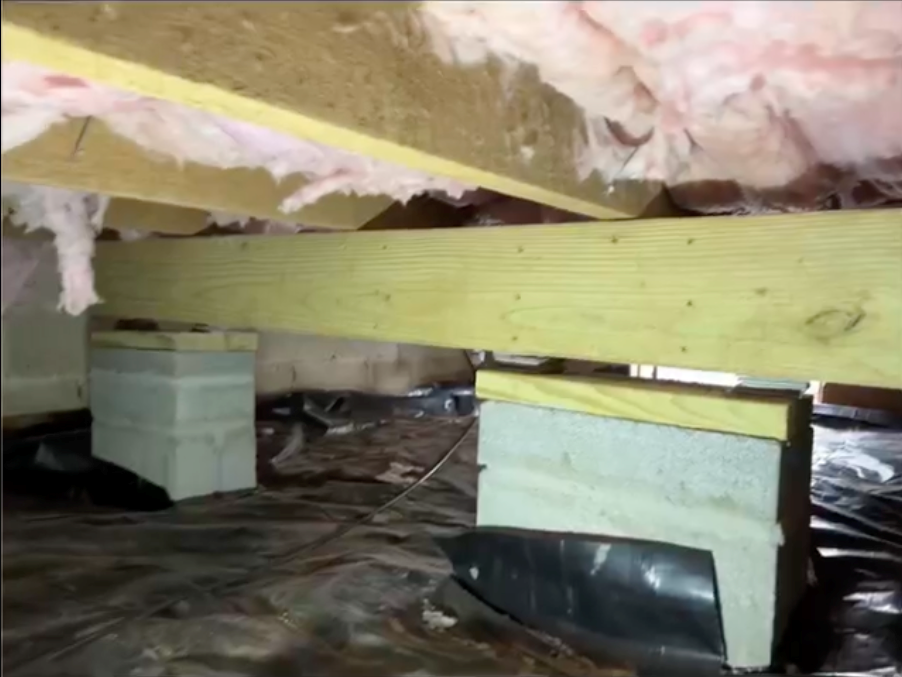
- Removed and replaced the failing main girder
- Installed a new drop girder
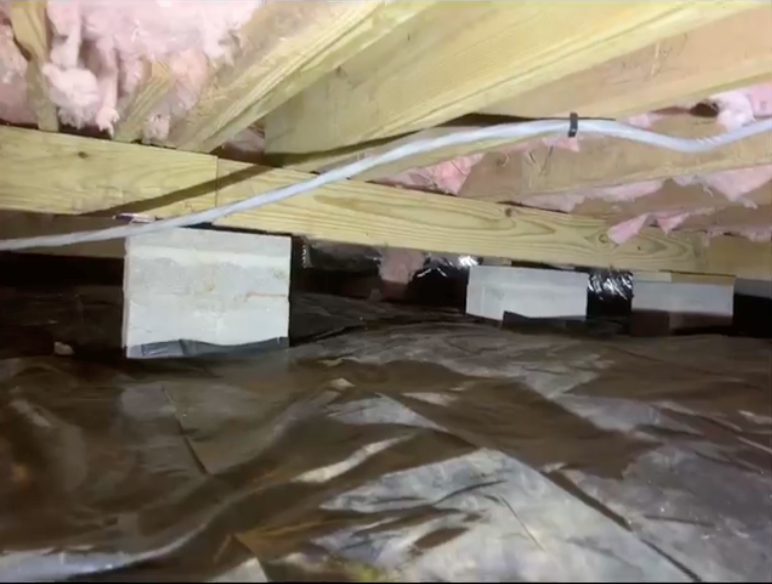
- Built new CMU piers for proper support
- Outcome: Floors are now solid and ready for inspection
This project shows how a problem with a crawl space can influence the whole floor system above it. It is also a reminder that the right repair plan starts with identifying the real cause of the movement, not just covering up the symptoms.
The Problem
The home had clear signs of structural trouble. The floors felt soft, uneven, and bouncy underfoot, which often points to support problems below the house. In this case, the crawl space revealed that the floor framing was no longer being supported the way it should be.
For homeowners, those symptoms can be frustrating and concerning. For Realtors, they can create serious obstacles during a sale. During showings, inspections, and negotiations, soft floors and structural red flags typically come up. Buyers want to know whether the issue is cosmetic or structural, and sellers need a practical path forward.
In this Belmont project, the concern was not just floor bounce. The larger issue was that the structural support system under the home had been compromised and needed real repair.
What We Found in the Crawl Space
Once the crawl space was evaluated, the source of the problem became clear.
Key findings included:
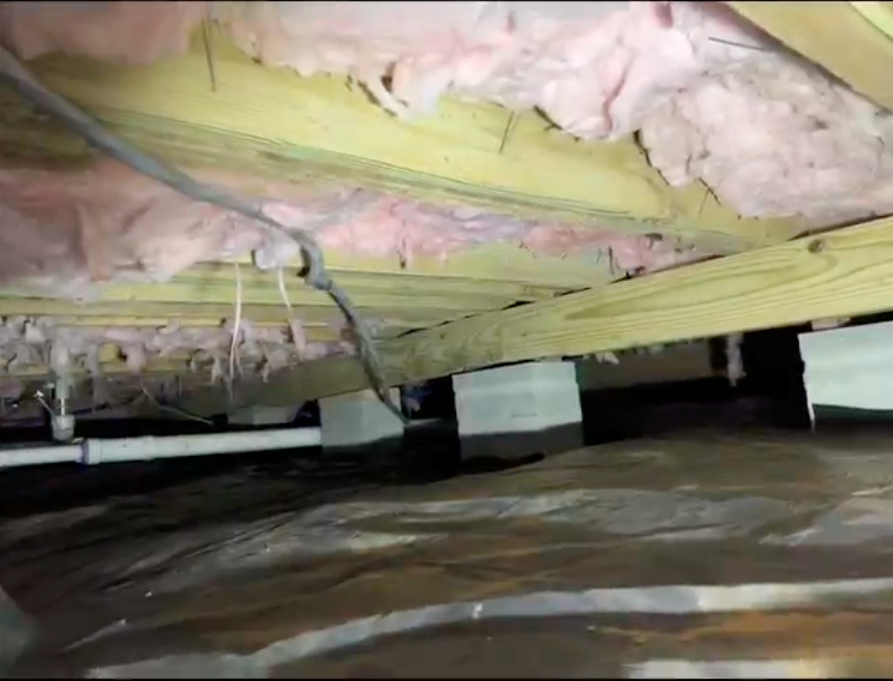
- A primary girder that had gotten worse over time and was failing
- Damage from termites to structural wood parts
- Floor framework that needed more strength for heavy loads
- Conditions that caused the floor system to noticeably move and bend
When a primary girder starts to break down, it doesn’t hold the weight it was meant to anymore. This can cause surrounding framing members to sag, bounce, and be under stress for a lengthy time. If termites are also present, the problem gets worse since the wood may not be as strong where it needs to be the most.
When a main girder starts to fail, the weight it is supposed to carry is no longer distributed properly. That can lead to sagging, bounce, and long-term stress on nearby framing members. If termite damage is also involved, the problem becomes even more serious because wood strength may be reduced where support is most needed.
This is why accurate diagnosis matters. A bouncy floor is not always caused by one issue alone. In many homes, it is the result of multiple structural weaknesses working together.
Structural Repairs Completed
To correct the problem, the repair plan focused on restoring strength and support where it was actually needed.
1. Sistered Multiple Floor Joists
Several floor joists were sistered to reinforce weakened framing and improve overall stiffness in the floor system. Sistering helps strengthen existing joists by fastening new structural members alongside them.
2. Removed and Replaced the Failing Main Girder
We removed and replaced the deteriorated main girder, so that the floor system could once again be supported by a good structural beam. This was a huge step towards eliminating the source of the sagging and bounce.
3. Installed a New Drop Girder
We installed a new drop girder to provide additional support where the original structure was no longer doing its job effectively. This helped redistribute loads more properly beneath the home.
4. Built New CMU Piers for Proper Support
New CMU piers were built to support the new structural elements and create a more stable support system in the crawl space. Proper pier placement and load transfer are essential in structural repair work like this.
Why This Repair Plan Made Sense
The best repair plans are not the biggest ones. They are the ones that address the real structural issue directly.
In this case, the repair strategy made sense because it:
- Targeted the failed support components
- Reinforced weakened framing where needed
- Rebuilt support beneath the floor system
- Avoided unnecessary work outside the affected areas
- Created a practical, inspection-ready result
Project Outcome
After the repairs were completed, the difference was clear: the floors were solid and inspection-ready.
The project outcome included:
- Improved support beneath the floor system
- Reduced floor bounce and soft spots
- Restored structural confidence in the affected area
- A cleaner path forward for any inspection or real estate transaction
Instead of leaving the home with an unresolved crawl space problem, the repair addressed the structural cause and gave the property a stable foundation for the next step.
What Realtors and Homeowners Should Know
This project offers a few important takeaways:
- Soft or bouncy floors should not be ignored
- Crawl space problems often have a structural cause, not just a cosmetic one
- A smart evaluation can help separate minor concerns from major repairs
- Not every issue requires an oversized scope of work
- Practical structural repairs can help keep a sale from falling apart
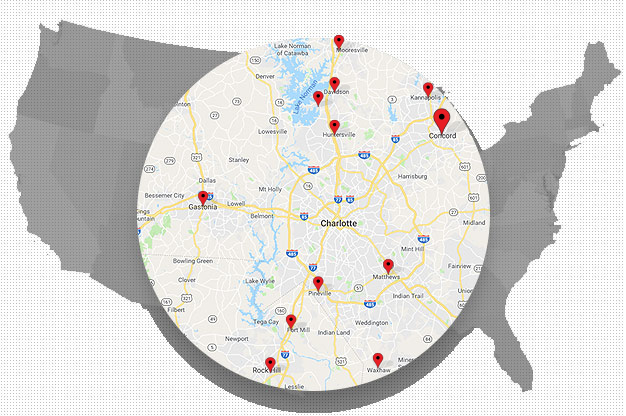
Sedona Waterproofing Solutions serves the Charlotte region with crawl space repair, foundation repair, and related structural services, making this type of project a natural fit for homeowners and Realtors dealing with under-floor concerns.
Frequently Asked Questions
1. What causes bouncy floors in a crawl space home?
Bouncy floors in a crawl space home are usually caused by weak or damaged joists, failing girders, poor support, termite damage, moisture damage, settlement, or excessive span between supports.
2. Can a damaged girder be replaced without rebuilding the whole floor system?
Yes. In many cases, the failed girder can be replaced and the surrounding framing reinforced without rebuilding everything.
3. Why are CMU piers used in crawl space structural repairs?
CMU piers help provide stable vertical support for beams and girders when designed and installed correctly.
If you have a listing or a home with crawl space concerns, soft floors, or structural red flags, Sedona Waterproofing Solutions offers common-sense repair solutions designed to solve the real problem. Call 980-439-4610 to schedule a quick evaluation for crawl space and structural needs.