Cold Floors This Winter? Your Crawl Space May Be the Reason
Cold floors in winter are easy to blame on the weather, an aging heating system or an old house. In homes built over crawl spaces, however, the problem may begin directly beneath the first floor. Outdoor air, exposed foundation walls, gaps around the crawl space and deteriorating insulation can leave the floor assembly colder than the rooms above it.
That does not mean every cold floor calls for a major repair. Flooring materials, ductwork, insulation levels and the design of the home all matter. But when first-floor rooms remain chilly even as the heating system runs, the crawl space is a sensible place to investigate.
Why the Floor Can Feel Cold Even When the Heat Is On
A heated room and the crawl space below it are part of the same building. When the crawl space is cold, heat moves from the warmer living area toward the colder surfaces below. Air leaks around plumbing, wiring, framing and other penetrations can add to that heat loss.
Traditional vented crawl spaces can make the problem more noticeable in winter because outside air is allowed into the space. Building Science Corporation, which has studied conditioned crawl spaces, notes that winter ventilation can make crawl spaces colder, increase heat loss and contribute to uncomfortable floors.
The effect can be uneven. A kitchen with tile may feel colder than a carpeted bedroom, for example, even when both sit above the same crawl space. The floor covering changes what your feet perceive, while the conditions below influence the floor assembly itself.
What Is Happening in the Crawl Space During Winter?
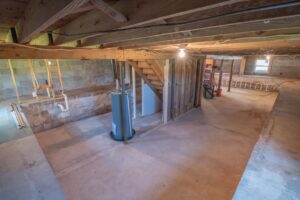
Crawl spaces are often out of sight for months at a time. By winter, insulation that once fit neatly between floor joists may be sagging, damp or missing in sections. Gaps around vents, access doors and utility penetrations can also allow cold outdoor air to move through the space.
Moisture complicates the picture. Charlotte-area homes contend with humidity, seasonal rain and groundwater, and a damp crawl space can affect insulation and wood framing before a homeowner sees standing water. Sedona’s crawl space waterproofing services address water and moisture at their source, including drainage, vapor barriers, sump systems and humidity control when appropriate.
A cold floor may therefore be one symptom among several. Musty odors, damp insulation, visible mold, condensation, wood deterioration or unusually high indoor humidity deserve attention as well.
Why Insulation Alone May Not Solve the Problem
Adding more crawl space insulation can sound like the obvious answer to a cold floor. Sometimes insulation is part of the solution, but insulation and air sealing do different jobs. Insulation slows heat transfer. It does not necessarily stop outside air or ground moisture from entering the crawl space.
Fiberglass batts can also lose effectiveness when they sag, become compressed or stay damp. If cold air continues to enter around the perimeter, replacing batts without addressing those openings may leave the underlying condition largely unchanged.
This is why a professional evaluation should look at the crawl space as a system. The condition of the insulation matters, but so do drainage, vapor control, foundation walls, vents, air leakage and humidity. The right fix depends on what is actually happening beneath the house.
How Crawl Space Encapsulation Changes the Equation
Crawl space encapsulation takes a broader approach. Instead of treating the crawl space as an outdoor area beneath the home, a properly designed system limits ground moisture and uncontrolled outside air, then manages the environment inside the space.
Sedona’s encapsulation systems typically involve sealing the crawl space with a durable liner and addressing vents, gaps, insulation and humidity as the conditions of the home require. Waterproofing or drainage work may need to come first when active water intrusion is present.
The goal is not simply to make the crawl space look cleaner. A drier, more controlled space can reduce conditions that contribute to damaged insulation, mold and moisture-related deterioration. It can also reduce exposure of the floor assembly to cold outdoor air during heating season.
For homeowners considering crawl space encapsulation in Charlotte, NC, the distinction is important: encapsulation should follow an inspection and diagnosis, not a symptom alone. Cold floors can point toward a crawl space problem, but they do not tell you which component needs attention.
What Charlotte-Area Homeowners Should Look For
You do not need to crawl beneath the house to notice early signs. Pay attention to whether certain first-floor rooms stay noticeably colder than others, whether the floors feel cold after the heat has been running, or whether energy use rises without an obvious explanation.
Other clues are more directly associated with the crawl space: a musty smell on the first floor, damp or fallen insulation visible from the access opening, standing water, condensation, pest activity or floors that begin to sag or feel bouncy. Our crawl space care guidance explains why regular attention to this part of the home matters, particularly when plumbing, HVAC equipment and structural components are located there.
After heavy rain, it is worth paying closer attention to conditions beneath the home. Water intrusion and winter comfort are separate concerns, but they can become connected when persistent moisture damages insulation or keeps the crawl space damp.
When Cold Floors Point to a Bigger Problem
Cold floors alone are usually a comfort issue. Cold floors accompanied by musty odors, persistent moisture, visible mold, rotting wood or changes in the way the floor feels underfoot deserve a closer look.
Structural symptoms are especially important. Moisture can damage floor joists, support beams and other wood components over time. If a floor is sagging, uneven or unusually springy, crawl space repair may be more relevant than insulation or encapsulation alone.
The useful question is not simply, “How do I make this floor warmer?” It is, “What conditions beneath the floor are causing it to stay cold?” An inspection can separate a straightforward insulation issue from a moisture, drainage or structural problem.
Start With the Crawl Space
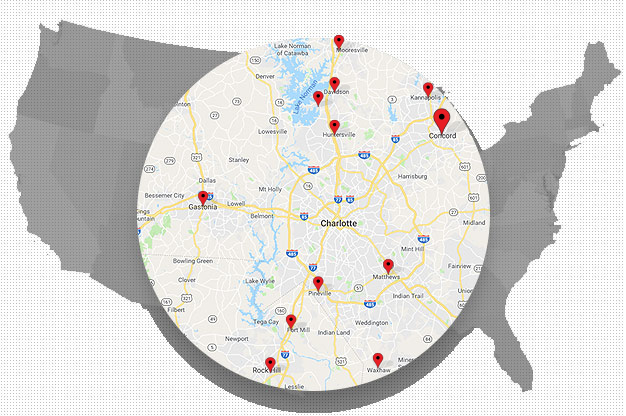
If your cold floors in winter persist, the crawl space is worth examining before assuming the heating system is solely to blame. Sedona Waterproofing Solutions provides crawl space inspections for homeowners in Charlotte, Concord and surrounding communities, evaluating insulation, moisture, drainage, air leakage and structural conditions before recommending a solution.
If encapsulation, waterproofing or repair is appropriate, our team can design the work around the conditions of your home. Schedule a free crawl space inspection with Sedona Waterproofing Solutions to find out what is happening beneath your floors before another heating season passes.