How to Protect Your Basement During Hurricane Season in North Carolina
Hurricane season in North Carolina runs from June 1 through November 30, but basement risk is not limited to coastal landfall. Tropical systems can carry heavy rain inland, saturating soil, overwhelming drainage and causing power outages. North Carolina Emergency Management notes that rainfall totals are not determined by a storm’s category; slower or larger systems can still produce dangerous flooding.
For homeowners, preparation begins with one practical question: Where will the water go when the ground, gutters and drainage system are under pressure?
Inspect the Basement Before Storm Season
Inspect the walls, floor and wall-floor joint. Look for stains, white mineral deposits, peeling paint, damp areas, musty odors and visible cracks. These conditions do not always indicate structural damage, but they may reveal previous water entry.
Check basement windows, exterior stairwells and doors. Window wells should be clear and securely covered. Stairwell drains should be open and able to carry water away.
Homes with recurring seepage may need more than a coating or temporary sealant. Professional basement waterproofing in North Carolina can include crack repair, interior drainage, sump pumps, vapor barriers and grading improvements selected for the source of the problem.
Move Rainwater Away From the Foundation
Gutters and downspouts must move roof runoff away from the house instead of releasing it beside the foundation. Clear debris from gutters. Confirm that downspouts are connected, undamaged and extended to a location where water can continue moving away.
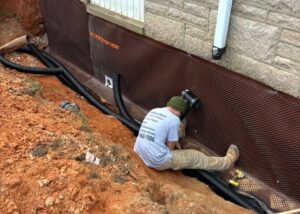
Check the soil around the house for low areas or slopes that direct runoff toward the foundation. If water repeatedly pools nearby, French drain and downspout solutions may help redirect surface and subsurface water. Correcting exterior drainage is often an important step when trying to prevent basement flooding.
Test the Sump Pump and Backup System
Test the sump pump before a storm is forecast. Add enough water to the basin to raise the float, then confirm that the pump starts, removes the water and shuts off normally. Listen for grinding, rattling or unusual vibration.
Inspect the visible discharge line for loose connections or obstructions. Its outlet should release water away from the foundation, not where it can flow back toward the house.
Hurricanes and tropical storms can interrupt electrical service. A battery-backup pump may keep working during an outage, but the system and battery must be tested. Arrange sump pump maintenance or replacement before peak storm activity if the equipment cycles constantly, operates noisily or fails a test.
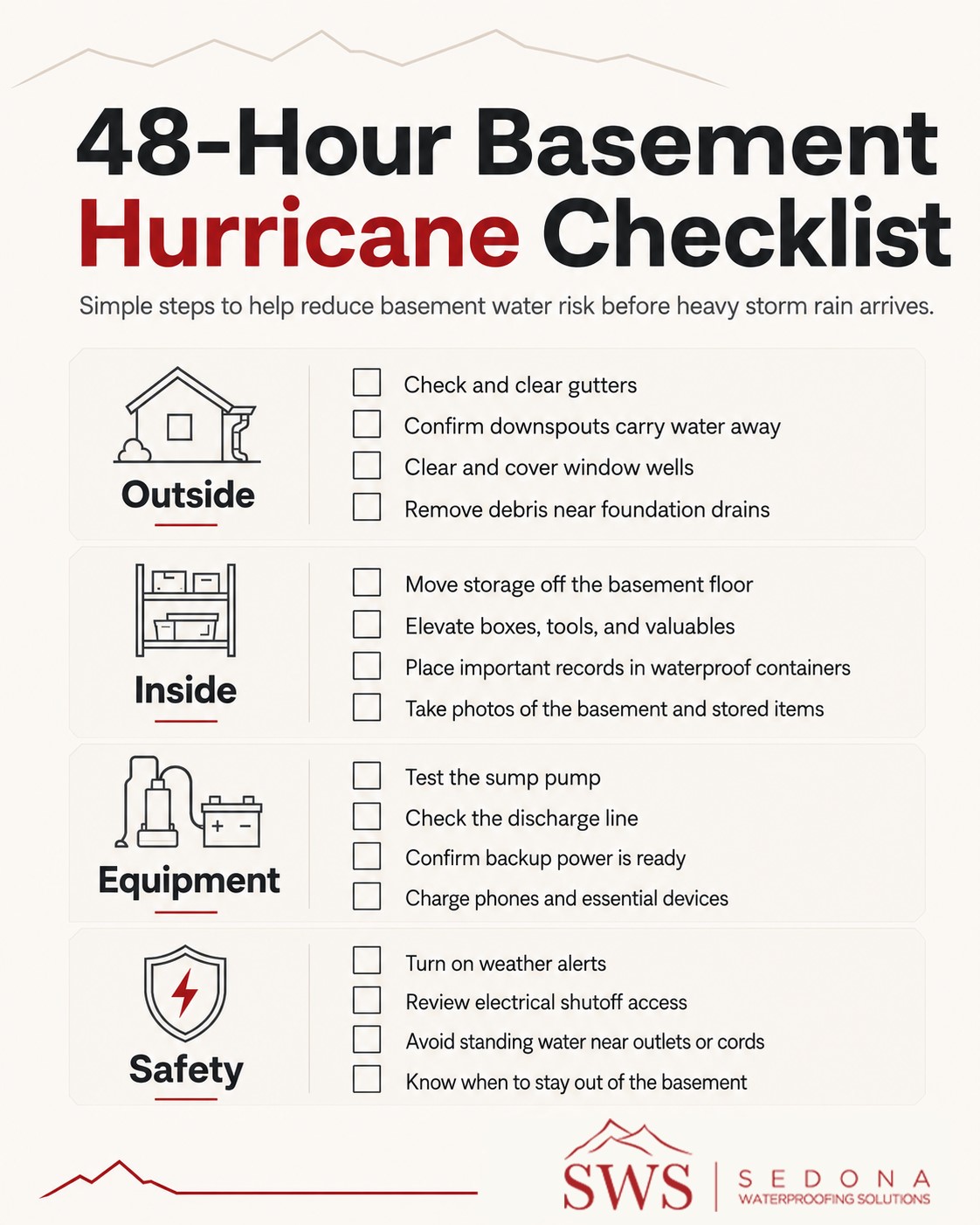
Complete a 48-Hour Basement Checklist
When a storm may affect your area, act while conditions remain safe:
- Clear gutters, downspouts, exterior drains and window wells.
- Test the sump pump and backup system.
- Move documents, electronics, rugs and valuables off the floor.
- Store important records in waterproof containers.
- Photograph the basement and its contents for insurance documentation.
- Charge phones, flashlights and backup batteries.
- Monitor official watches, warnings and local instructions.
- Locate utility shutoffs, but operate them only when safe and when you understand the correct procedure.
Put Safety Ahead of Property
Do not enter a flooded basement when water may have reached outlets, appliances, wiring or the electrical panel. Do not touch electrical equipment while wet or standing in water. Follow evacuation and re-entry instructions from local officials.
Preparation should happen before water enters. Once flooding creates an electrical or structural hazard, keep people away and contact qualified emergency, utility or restoration professionals.
Inspect the Property After the Storm
When conditions are declared safe, inspect the exterior first. Look for displaced downspouts, erosion, standing water, damaged window wells and new cracks. Inside, document water lines, damp materials, odors and changes in pump performance before removing damaged items, when safe.
Moisture may remain behind drywall, insulation and stored materials after visible water is gone. Use our storm aftercare guide for the immediate steps following a flooded basement or crawl space.
Prepare for the Next Storm
Temporary preparation can reduce risk, but repeated seepage may point to a drainage, foundation or water-management problem requiring a lasting repair. Homeowners searching for basement waterproofing Charlotte NC or basement waterproofing Concord NC should look for an inspection-led plan that addresses the source rather than covering the symptoms.
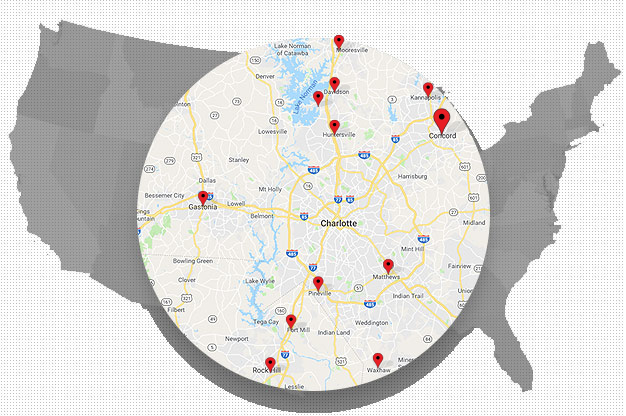
At Sedona Waterproofing Solutions, we inspect basements, foundations and drainage conditions throughout Charlotte, Concord and nearby North Carolina communities. We recommend practical solutions based on how water is reaching the home, from drainage improvements and sump pumps to crack repair and waterproofing systems. Schedule a free waterproofing inspection before the next major storm tests your basement.