How Much Does Basement Waterproofing Cost in Charlotte, NC?
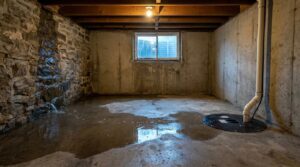
Discovering water in your basement can be stressful. Whether you’re dealing with damp walls, a musty smell, or water pooling on the floor, your first question may be: How much will it cost to fix?
For homeowners in Charlotte, Concord, and surrounding North Carolina communities, the cost for basement waterproofing depends on the source of the water, the size of the basement, and the type of repairs needed. For early budgeting, smaller repairs may cost a few hundred dollars, while interior drainage systems, sump pump installations, and larger waterproofing projects can cost several thousand dollars or more. Complex projects involving excavation or structural repairs may exceed $15,000.
These are broad planning estimates, not verified Charlotte-area contractor quotes. A professional inspection is the best way to determine the right solution and actual cost.
What Is the Average Cost of Basement Waterproofing in Charlotte?
There is no single price for waterproofing a basement because every home has different moisture conditions. A minor crack repair is very different from installing a complete drainage system. The following estimates provide a general starting point for homeowners planning a waterproofing project.
Waterproofing service |
Illustrative cost range |
| Minor foundation crack sealing | $300–$1,000 |
| Interior waterproof coatings | $500–$2,500 |
| Sump pump installation | $1,000–$3,500 |
| Interior perimeter drainage system | $3,000–$10,000+ |
| Exterior foundation waterproofing | $5,000–$15,000+ |
| Extensive waterproofing and drainage repairs | $10,000–$25,000+ |
These ranges are broad budgeting illustrations, not Sedona Waterproofing Solutions prices or a verified Charlotte market survey. Actual estimates vary significantly by project. A waterproofing professional should identify how water enters the basement before recommending repairs.
What Factors Affect Basement Waterproofing Costs?
Several factors determine how much a homeowner may spend.
1. The Source of Water
Water may enter through foundation cracks, basement walls, floor joints, plumbing leaks, or poor exterior drainage. For example, a single leaking crack may require a limited repair. Water entering along an entire foundation wall may require a larger drainage system. Identifying the source helps prevent spending money on a solution that does not address the actual problem.
2. Basement Size and Layout
Larger basements generally require more materials and labor. However, square footage is not the only factor. The amount of foundation wall or floor perimeter requiring treatment may be more important than total floor area. A small basement with difficult access can sometimes cost more to repair than a larger, easier-to-access space.
3. Interior vs. Exterior Waterproofing
Interior and exterior waterproofing address water in different ways. Interior systems typically manage water that enters or collects near the foundation. Exterior systems are designed to reduce water reaching or passing through foundation walls. Exterior work may involve excavation, waterproof membranes, drainage improvements, and landscape restoration. Because excavation requires additional labor and equipment, exterior projects are often more expensive.
4. Existing Water Damage
If moisture has already damaged drywall, flooring, insulation, or wooden framing, repairs may be necessary before the basement can be restored. Mold contamination may also require appropriate remediation. These services can increase the total project cost beyond waterproofing alone.
5. Drainage and Soil Conditions
Poor grading, clogged gutters, groundwater, and inadequate drainage can contribute to basement moisture problems. In the Charlotte region, heavy rainfall can expose drainage weaknesses around foundations. Depending on the conditions, the solution may involve exterior drainage improvements, a sump pump, or a more complete waterproofing system.
What Are the Most Common Basement Waterproofing Methods?
Understanding the available methods can help homeowners compare estimates.
Interior Drainage Systems
Interior perimeter drainage systems collect water near the basement foundation and direct it to a sump pump or suitable discharge point. These systems can be effective when groundwater enters along the foundation perimeter. They manage water rather than stopping all moisture from reaching the outside of the foundation.
Sump Pump Installation
A sump pump collects water in a basin and pumps it away from the basement. A properly installed system should include a suitable discharge location and may benefit from a battery backup. The total cost depends on equipment, installation conditions, drainage connections, and electrical work.
Foundation Crack Repair
Cracks in basement walls may allow water to enter. Some nonstructural cracks can be sealed using appropriate injection or repair methods. However, widening cracks, wall movement, or other signs of structural damage should be evaluated before waterproofing repairs are selected.
Exterior Waterproofing
Exterior waterproofing may involve excavating around foundation walls, applying waterproofing materials, and improving drainage. This approach can help prevent water from entering through the exterior foundation. It may be appropriate when water intrusion is widespread or exterior drainage conditions require correction.
Waterproof Coatings and Sealants
Waterproof coatings may help manage limited surface moisture in suitable applications. However, coating alone generally cannot resolve significant groundwater pressure, active leaks, or major drainage problems. A low-cost coating is not necessarily a long-term solution.
Is Interior or Exterior Basement Waterproofing Better?
Neither method is automatically better for every home. The right choice depends on the source of water, foundation condition, drainage needs, and project budget.
Interior waterproofing |
Exterior waterproofing |
| Usually involves less excavation | Often requires excavation |
| Collects and manages water inside the foundation | Helps stop water at the exterior foundation |
| Often costs less initially | Often has higher upfront costs |
| May include a sump pump | May include exterior drains and membranes |
| Useful for certain groundwater problems | Useful for exterior foundation water intrusion |
Some homes need a combination of methods. The best waterproofing system is one designed around the actual moisture problem rather than the lowest initial price.
How Much Does Basement Water Damage Repair Cost?
Basement waterproofing and basement water damage repair are related, but they are not the same service. Waterproofing focuses on preventing or controlling future water intrusion. Water damage repair addresses materials that have already been affected.
Additional costs may include:
- Water extraction and drying
- Damaged drywall removal
- Insulation replacement
- Flooring repairs
- Mold remediation
- Wood framing repairs
- Electrical repairs when water has affected wiring or equipment
A basement with standing water may require emergency water removal before waterproofing work begins. If water is near electrical outlets, appliances, or a service panel, avoid entering the area until an electrician has evaluated it for electrical safety.
Does Homeowners Insurance Cover Basement Waterproofing?
Homeowners insurance generally does not cover routine basement waterproofing, maintenance problems, or long-term groundwater seepage. However, some sudden and accidental water damage may be covered depending on the cause and policy. For example, damage from a sudden plumbing failure may be treated differently from water entering through the foundation after heavy rain. Flood damage typically requires separate flood insurance, and sewer or drain backups may require an additional endorsement. Review your policy and contact your insurance provider to understand your coverage.
Can You Waterproof a Basement Yourself?
Some small maintenance tasks can be completed by homeowners. These may include cleaning gutters, extending downspouts, correcting minor grading problems, and sealing suitable nonstructural gaps. However, major water intrusion, foundation movement, electrical hazards, or persistent leaks require professional evaluation. A do-it-yourself repair may seem less expensive, but an incorrect solution can allow water damage to continue.
How Can You Reduce Basement Waterproofing Costs?
The most effective way to control costs is to address moisture problems before they become more serious.
Consider these steps:
- Schedule an inspection early. Identify the source before damage spreads.
- Maintain gutters and downspouts. Keep rainwater moving away from the foundation.
- Compare detailed estimates. Make sure each proposal addresses the same problem.
- Ask about repair alternatives. A smaller targeted repair may be appropriate in some cases.
- Review warranty terms. Understand what is covered and what maintenance is required.
- Correct related drainage problems. Waterproofing may not perform as intended if you ignore exterior water management.
Choosing the lowest estimate without understanding the proposed work can lead to additional expenses later.
When Should You Schedule a Basement Waterproofing Inspection?
Some basement moisture problems begin with small warning signs.
Consider scheduling an inspection if you notice:
- Water collecting along basement walls
- Damp spots after heavy rain
- White mineral deposits on concrete
- Musty odors that keep returning
- Peeling paint or damaged wall finishes
- Cracks that allow water to enter
- Repeated flooding or standing water
An inspection can help determine whether the problem requires waterproofing, drainage improvements, or other repairs.
Why Choose Sedona Waterproofing Solutions?
Waterproofing your basement is about more than keeping the floor dry. It is about protecting the conditions of your home’s foundation and building materials. Sedona Waterproofing Solutions provides moisture-control and waterproofing services for homeowners in the greater Charlotte area.
Whether you are dealing with a damp basement, water intrusion, or concerns about your foundation, a professional evaluation can help identify the source and appropriate repair options. Rather than guessing which waterproofing method you need, start by understanding where the water is coming from.
Ready to find out what basement waterproofing may cost for your home?
Contact Sedona Waterproofing Solutions to request an inspection and discuss your waterproofing needs.